GHK-Cu vs BPC-157
A copper peptide for skin and a gastric-juice fragment sold for healing, often sold together in GLOW blends
We may earn a commission from links on this page. It never decides our picks. How we make money
They do different jobs. GHK-Cu has small human trials for skin. BPC-157 is sold for injuries and the gut, but its evidence is almost all animal. For tendons, neither has human evidence, so neither wins.
- Wrinkles and firmness: GHK-Cu
- Skin wounds: GHK-Cu
- Tendon or ligament: no winner
- Gut or colitis: neither proven
In this guide
At a glance
| GHK-Cu | BPC-157 | |
|---|---|---|
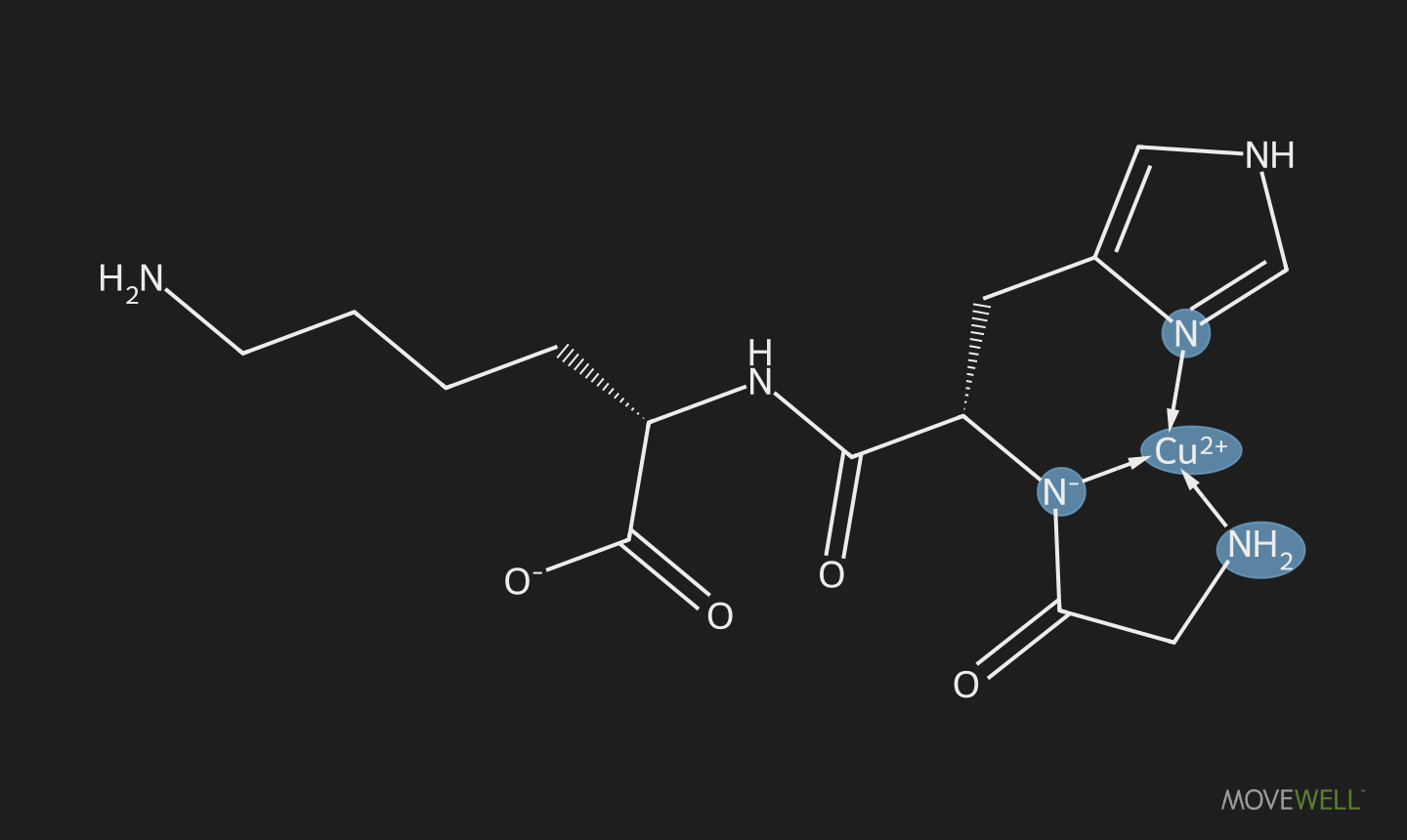
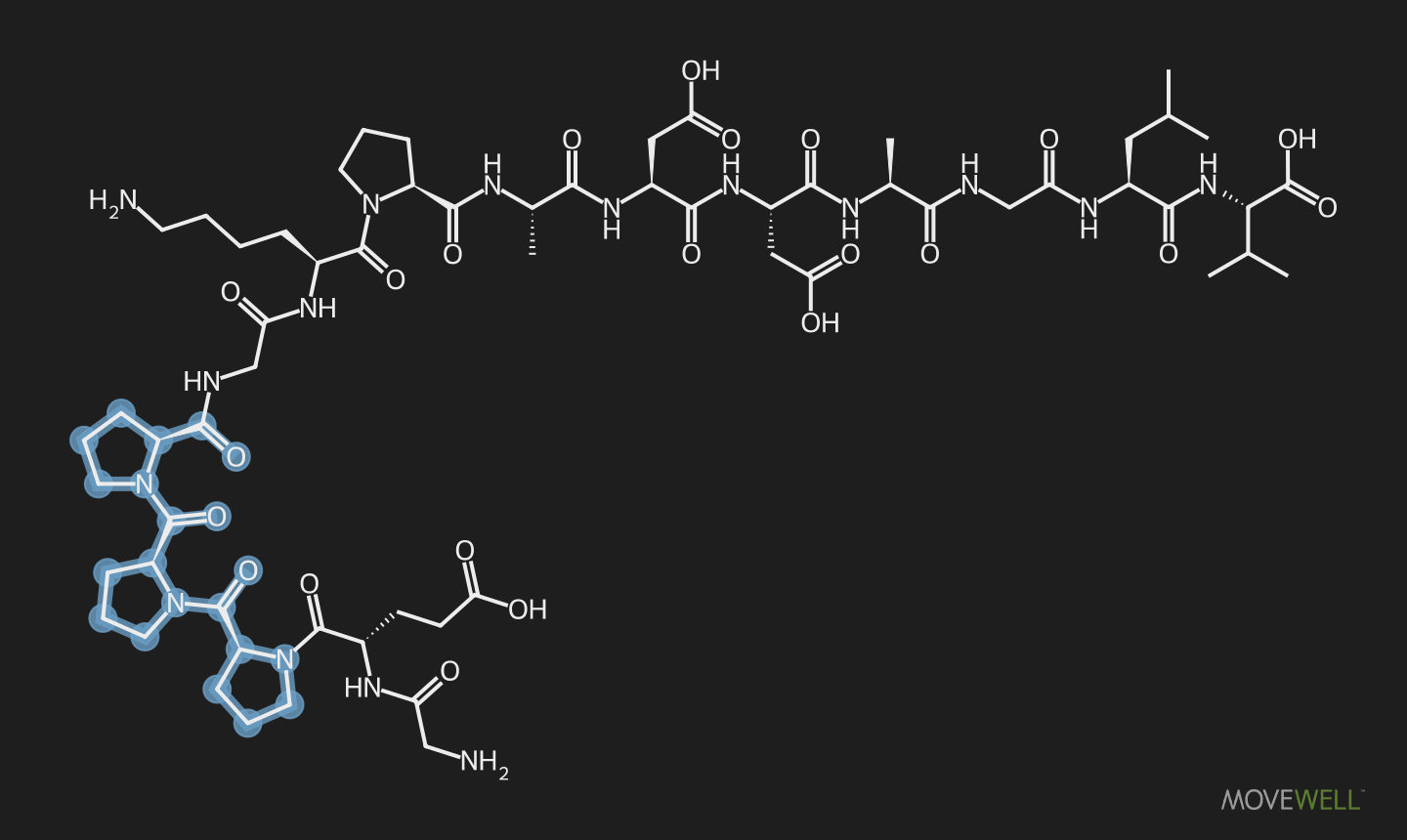
| What it is | Glycine, histidine and lysine bound to one copper ion. Found in human blood; products are synthetic7 | A synthetic 15-amino-acid fragment of a protein first isolated from human gastric juice1 |
| Status | Cosmetic ingredient. Topical GHK-Cu is in FDA's Category 1, so licensed pharmacies can compound it. Injectable GHK-Cu has no compounding path. Not part of the Oct 2026 HHS policy12, 4 | Not FDA-approved and not on the compounding list. HHS says it won't act against licensed pharmacies that compound the acetate form with a prescription. State rules still apply. Banned in sport at all times4, 5, 20 |
| Evidence | 3/5Limited human, for skin only | 2/5Almost all animal. 5 small human studies, none with a clear benefit |
| Main use | Skin: fine lines and firmness, applied on the skin | Sold for tendon, gut and injury healing, mostly injected |
| Form | Cosmetic serums and creams; compounded prescription creams | Compounded injection (acetate, with a prescription). Oral form on a waitlist16 |
| Typical cost | $23 to $69 for a cosmetic serumUnverified; from $55 per 30 g compounded18 | $149 a month for a compounded injection (pre-order)16 |
| Main risks | Skin irritation. A safety panel found it safe at cosmetic strengths. Injected: unknown; FDA flags immune reactions and impurities15, 13 | Unknown in people. FDA cites immune reactions and impurities. A 28-day animal study showed clotting-test and liver changes1, 2 |
Evidence scale: 5 FDA-approved, 4 strong human, 3 limited human, 2 animal or lab only, 1 anecdotal. Cosmetic serum prices for GHK-Cu could not be rechecked on brand sites.
Evidence by goal
Each goal is graded separately for each peptide. "No study found" means none turned up in the sources we reviewed.
| Goal | GHK-Cu | BPC-157 |
|---|---|---|
| Wrinkles and firmness | 3/51 published trial in 40 women: wrinkle volume down 55.8% vs plain serum at 8 weeks, plus conference abstracts8, 9 | No study found |
| Skin wounds | 3/51 trial in diabetic foot ulcers (1994), with gel on the wound10 | No study found |
| Tendon or ligament | 2/51 rat study after ACL repair; the benefit was gone by 12 weeks11 | 2/5Rat studies, mostly from one group. A 2026 rat study from another group found no significant effect of BPC-157 alone1, 6 |
| Knee pain | No study found | 2/51 uncontrolled chart review of knee injections: 14 of 16 reported relief in a phone survey (FDA counts 17 patients). No comparison group24, 1 |
| Gut (colitis, stomach damage) | No study found | 2/5Rat data. The one human colitis trial, by enema, showed no significant difference from placebo in FDA's analysis1 |
| Injected use in people | 2/5Animal and lab only. No human study of any injected dose | 2/5No human study tested injection under the skin. Two people got it by IV in a safety pilot1 |
The two have never been compared head to head. Much of GHK-Cu's human skin evidence comes from older studies, possibly industry-linked, that are known mainly from conference abstracts.9 "Mostly from one group" is our reading of FDA's reference list, which is dominated by Zagreb authors; FDA does not say this.
Key differences
- Different molecules. GHK-Cu is three amino acids holding a copper ion.7 BPC-157 is a chain of 15 amino acids with no metal.1
- On the skin vs under it. GHK-Cu's human evidence is for creams and gels on the skin.8, 10 BPC-157 is mostly injected, yet none of its 5 human studies tested injection under the skin.1
- Strength of evidence. GHK-Cu has small but positive skin trials. BPC-157's only randomized human trial, in colitis, didn't separate from placebo.1
- Opposite legal positions. Topical GHK-Cu can be compounded; injectable GHK-Cu can't, and FDA's advisory committee plans to review it before the end of February 2027.12, 14 BPC-157 acetate injection is now under HHS enforcement discretion, which HHS says is not approval. The policy is interim, with comments due about November 13, 2026 (our calculation).4, 5
- Safety record. A cosmetic safety panel found GHK-Cu safe at cosmetic strengths.15 For BPC-157, FDA cites immune reactions, impurities, and clotting-test and liver changes in animals. FDA found 3 adverse event reports, all with injected products, and said it was unclear whether BPC-157 caused them.1, 2
- Sport. BPC-157 is banned at all times under WADA's S0 class.20, 21 We have not checked GHK-Cu against the WADA list.Unverified
Can you use both?
They're sold together in GLOW (GHK-Cu, BPC-157 and TB-500) and KLOW (GLOW plus KPV) blends. No human or animal study has tested either blend, and doses and ratios vary by seller.22 The HHS policy covers single-ingredient products only, so pre-mixed blends are excluded, and injectable GHK-Cu has no compounding path at all.3, 23 We also found no study of a GHK-Cu cream used alongside separately prescribed BPC-157.
See the GLOW and KLOW stack pages, or browse all stacks.
Where to get each
MoveWell sells no peptides. Prices as checked November 1, 2026
| Peptide | Option | Form | Price | Notes |
|---|---|---|---|---|
| GHK-Cu | Superpower | 0.5% GHK-Cu cream, compounded | Members only ($17/mo membership, billed annually); product price not shown17 | Questionnaire and physician review |
| GHK-Cu | Trinova Health | Compounded cream with GHK-Cu, hydroquinone, vitamin C and kojic acid | From $55 per 30 g18 | Online evaluation |
| GHK-Cu | Cosmetic serums | Serums and creams; many don't state strength | $23 to $69Unverified | Compare 8 serums in our GHK-Cu guide |
| BPC-157 | Superpower | BPC-157 injection, compounded | $149 a month16 | Pre-order. Clinician review and prescription; shipping targeted for late November. Oral form on a waitlist |
| BPC-157 | Hims & Hers | Not announced | Not listed | Testing BPC-157; said in August it was waiting on final FDA rules. No launch confirmed19 |
Left off: injectable GHK-Cu, which has no compounding path; pre-mixed blends, which the HHS policy excludes; and "research use only" vials. In August 2026 FDA warned five peptide sellers that the label doesn't excuse products clearly meant for people.25 More options in the GHK-Cu and BPC-157 guides.
FAQ
Which is better for healing an injury?
Neither has been shown to work in people. Both have rat tendon or ligament studies only. GHK-Cu's benefit was gone by 12 weeks, and a 2026 rat study found no significant effect of BPC-157 alone.
Which is better for skin?
GHK-Cu, used on the skin. It has a 40-person randomized trial and older studies, known mainly from conference abstracts, showing modest gains over 8 to 12 weeks. We found no skin study of BPC-157.
Can I inject GHK-Cu like BPC-157?
There's no legal compounding path for injectable GHK-Cu and no human data on injecting it. FDA's advisory committee plans to review it before the end of February 2027, but a vote alone wouldn't create a path.26
Can pharmacies compound BPC-157 now?
HHS has said it won't take action against licensed pharmacies that compound single-ingredient BPC-157 acetate with a prescription, under the conditions in its October 28, 2026 policy.4, 5 BPC-157 is still not on FDA's 503A compounding list, and the policy is not FDA approval. It's interim and open for comment, and state rules still apply. Blends and research vials are outside it.
Should I buy a GLOW blend?
No blend has been studied, and pre-mixed vials fall outside the HHS policy. If you want GHK-Cu for skin, the evidence is for products you put on the skin.
Can athletes use them?
BPC-157 is banned in and out of competition under WADA S0. We haven't confirmed GHK-Cu's status; check with your sport's anti-doping body.
References
26 sources, with links
- FDA. Briefing document: BPC-157-related bulk drug substances. Pharmacy Compounding Advisory Committee, Jul 23–24, 2026. fda.gov
- FDA. July 23, 2026 FDA presentations (PCAC). fda.gov
- HHS. 503A peptide enforcement discretion policy, Appendix B. hhs.gov
- BakerHostetler. HHS issues enforcement discretion policy regarding 503A compounding using certain peptide bulk drug substances (Oct 28, 2026). Link
- Federal Register public inspection. FR Doc. 2026-22192, HHS notice of availability, docket HHS-OASH-2026-0496. Link
- Biçer O et al. Effects of BPC-157 and TB-500 on Achilles tendon healing in rats. Joint Dis Relat Surg 2026;37(3):822–837. DOI 10.52312/jdrs.2026.2951
- Pickart L, Thaler MM. Tripeptide in human serum which prolongs survival of normal liver cells and stimulates growth in neoplastic liver. Nature New Biology 1973;243:85–87. Record
- Badenhorst T et al. Effects of GHK-Cu on MMP and TIMP expression, collagen and elastin production, and facial wrinkle parameters. J Aging Sci 2016;4:166. DOI 10.4172/2329-8847.1000166
- Pickart L, Vasquez-Soltero JM, Margolina A. GHK peptide as a natural modulator of multiple cellular pathways in skin regeneration. BioMed Res Int 2015:648108. PMC4508379
- Mulder GD et al. Enhanced healing of ulcers in patients with diabetes by topical treatment with glycyl-l-histidyl-l-lysine copper. Wound Repair Regen 1994;2:259–69. DOI
- Fu SC et al. Tripeptide-copper complex GHK-Cu (II) transiently improved healing outcome in a rat model of ACL reconstruction. J Orthop Res 2015. DOI 10.1002/jor.22831
- FDA. Bulk drug substances nominated for use in compounding under 503A, categories list (updated May 14, 2026). fda.gov
- FDA. Certain bulk drug substances for use in compounding that may present significant safety risks. fda.gov
- FDA. Meeting of the Pharmacy Compounding Advisory Committee (before end of Feb 2027). fda.gov
- Johnson W et al. Safety assessment of tripeptide-1, hexapeptide-12, their metal salts and fatty acyl derivatives, and palmitoyl tetrapeptide-7 as used in cosmetics. Int J Toxicol 2018;37(3 suppl):90S–102S. Link
- Superpower. Peptides pricing page. Link
- Superpower. GHK-Cu cream. Link
- Trinova Health. Reju cream. Link
- Becker's. Hims & Hers to sell compounded peptides pending FDA approval (Aug 12, 2026). Link
- UK Anti-Doping. Major changes to the 2022 Prohibited List. Link
- German Sport University Cologne. S0: non-approved substances. Link
- Superpower. GLOW peptide guide. Link
- Frier Levitt. HHS peptide enforcement discretion (Oct 28, 2026). Link
- Lee and Padgett. Intra-articular injection of BPC-157 for multiple types of knee pain. Altern Ther Health Med 2021. PDF
- ArentFox Schiff. RUO-ined: five peptide vendors learn research use only is not a legal strategy (Aug 2026). Link
- Holland & Knight. Peptides at a crossroads: what wellness providers need to know (Oct 16, 2026). Link
This page is for education and is not medical advice. Neither GHK-Cu nor BPC-157 is FDA-approved as a drug. Talk to a clinician before using any peptide, especially by injection.